Last Updated on October 3, 2026
Quick Answer: The best running shoes for supination are usually cushioned neutral shoes that protect against impact without adding aggressive corrective support. Our top pick for 2026 is the Asics Gel-Nimbus 28 because it combines maximum cushioning, an 8 mm drop and a neutral platform. Other strong choices include the Brooks Glycerin 23, New Balance 1080 v15, Saucony Ride 19, Nike Vomero Plus, Hoka Clifton 11 and Brooks Ghost 18. Fit still matters, especially if you have high arches or a wide forefoot. See the comparison table.
Finding the right running shoe for supination can be tricky because there is no dedicated category of “supination shoes” in the way there are stability shoes for overpronation. Most runners who underpronate do best in a well-cushioned neutral shoe that absorbs impact without trying to force the foot into a different movement pattern. Fit, cushioning, flexibility and platform stability all matter, especially if you also have high arches or tend to wear down the outside edges of your shoes.
In this guide, we compare the best current running shoes for supination in 2026, including options from Asics, Brooks, New Balance, Saucony, Nike and Hoka. We also explain what features to look for, how supination differs from simply having high arches, and when footwear alone may not be enough to address recurring pain or gait problems.
For a broader view of current daily trainers, max-cushion shoes and performance models, start with our Best Running Shoes in 2026 hub.
Check the price and sizes for the Asics Gel-Nimbus 28 on Amazon
What Is Supination or Underpronation?
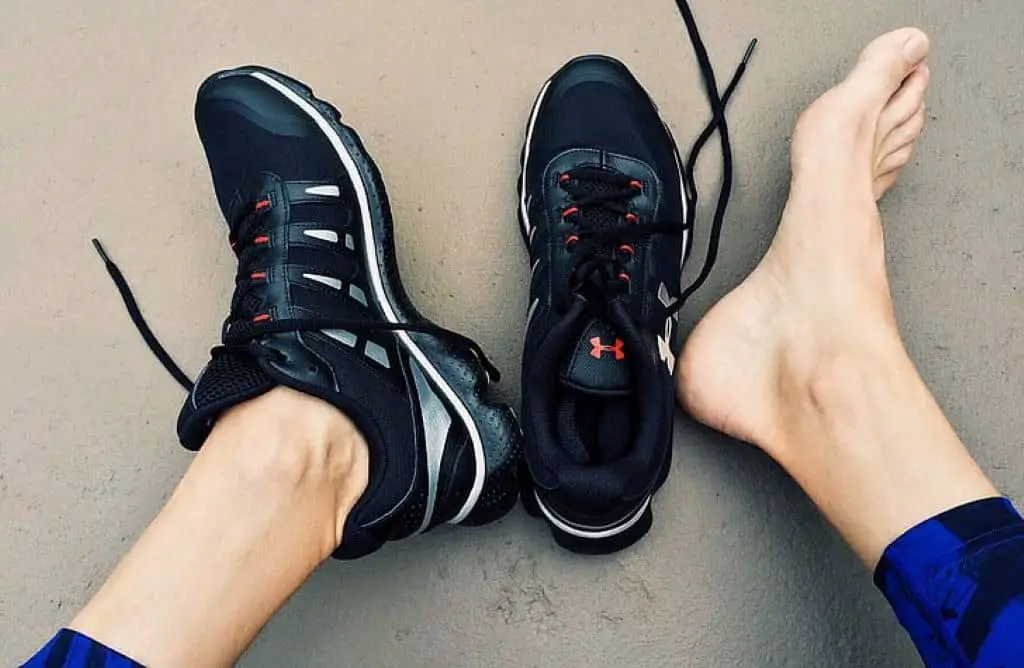
Supination, also called underpronation, happens when your foot rolls inward less than usual as you walk or run. This can concentrate more pressure along the outside of the foot.
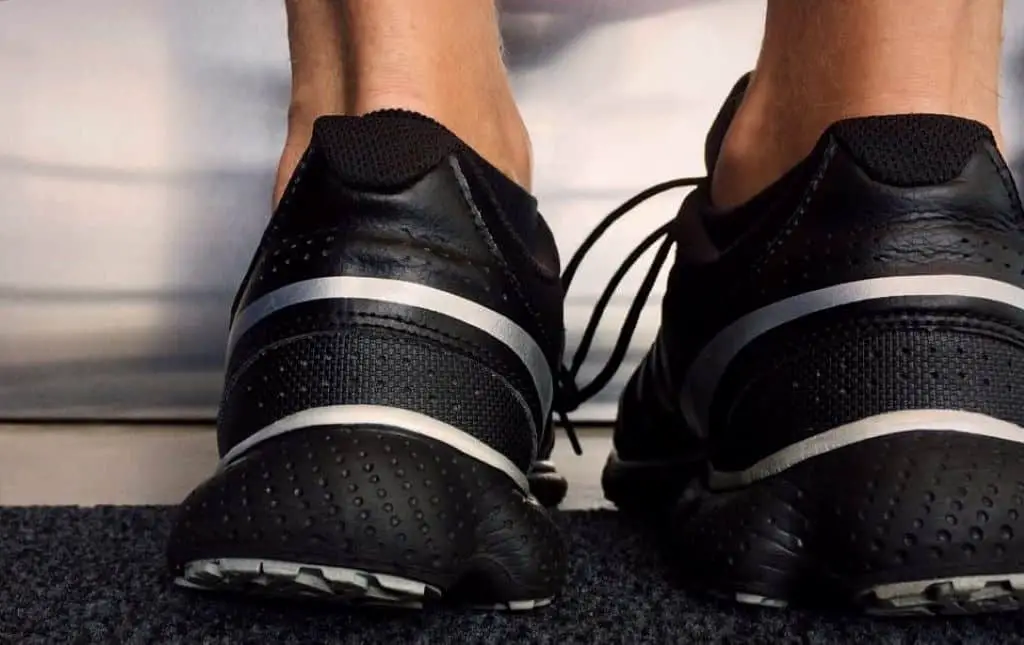
If you are trying to confirm that pattern, our shoe wear patterns guide explains what persistent outer-edge wear may mean and why outside-heel wear by itself can still be normal.
High arches and supination often occur together, but they are not the same thing. Someone can have high arches without significantly supinating, which is one reason it is better to look at how your feet actually move rather than choosing shoes based on arch height alone.
If you are unsure how your feet move, see our guide to identifying your running gait or try our simple at-home test for overpronation and supination.
For many runners who supinate, the goal is not to find a shoe that forcibly “corrects” the foot. Instead, look for a comfortable neutral shoe with good cushioning, enough flexibility for your stride and a platform that feels stable beneath you. The American Podiatric Medical Association similarly recommends cushioned running shoes with softer midsoles and greater flexibility for people with high arches.
Persistent foot or ankle pain, repeated ankle sprains or a major change in your gait deserves professional assessment rather than simply switching shoes.
The 5 Best Tips for Finding the Best Shoe for Supination
Here are the best tips to consider when buying a running shoe for supination.
- Choose a neutral shoe with good cushioning. Most supinators benefit from impact protection without the aggressive medial support found in many stability shoes. (Learn more about neutral shoes.)
- Make sure the forefoot has enough room. A shoe that squeezes the toes or outer edge of the foot can make pressure and discomfort worse. Look for a stable, reasonably broad platform. See more about wide shoes.
- Cushioning should feel protective without making the shoe feel wobbly, especially through turns. Pick a shoe that flexes naturally with your stride.
- Extremely rigid shoes may feel uncomfortable for runners whose feet already roll inward less than average. Prioritize fit over brand or technology.
- The best shoe is the one that feels secure at the heel and midfoot, comfortable under the arch and free of pressure along the outside of the foot.
Best Running Shoes for Supination in 2026
All seven shoes below are current-generation neutral running shoes as of October 2026. They differ considerably in cushioning, fit and ride, so the best shoe depends on what feels natural under your foot.
How we chose these shoes: We prioritized current neutral trainers with enough cushioning for impact protection, a secure fit, stable geometry and useful width choices where available. We also checked current availability and linked to our full reviews when we have one. We do not treat any of these shoes as a medical correction for supination.
Shoe (link goes to full review) | Best for | Cushioning | Drop (?) | Our take | Check latest price |
|---|---|---|---|---|---|
Best overall | FF Blast Plus + PureGEL | 8 mm | Maximum cushioning with a neutral, protective ride | ||
Plush everyday comfort | DNA TUNED | 8 mm | Soft heel with a stable, broad platform | ||
Wide feet | Infinion | 6 mm | Multiple widths and a lighter, responsive design | ||
Versatility | PWRRUN+ | 8 mm | Lighter daily trainer that can handle varied paces | ||
Responsive cushioning | Full-length ZoomX | 10 mm | Very soft but unusually energetic for a max-cushion shoe | ||
Running and walking | Compression-molded EVA | 8 mm | Smooth rocker and inherently stable platform | ||
Traditional daily training | DNA LOFT v3 | 10 mm | Predictable cushioning with a conventional running-shoe feel |
Asics Gel-Nimbus 28
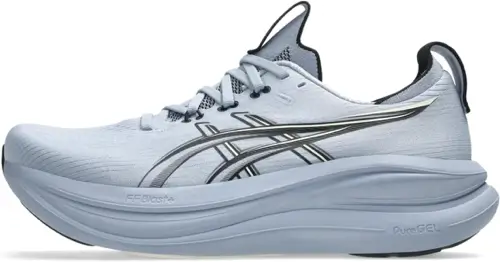
Best for: Maximum cushioning and long-distance comfort
The Asics Gel-Nimbus 28 remains our best overall running shoe for supination because it provides plenty of impact protection without adding motion-control features that many underpronators do not need.
Asics uses FF Blast Plus cushioning together with PureGEL technology. The Gel-Nimbus 28 is also approximately 20 grams lighter than the previous generation, which makes a meaningful difference in a shoe built around maximum cushioning.
It is a neutral shoe with an 8 mm heel-to-toe drop and weighs about 9.9 ounces for men. Asics has also moved to an engineered knit upper that wraps the foot more closely than the upper described in the previous version of this guide.
For a supinator, the attraction is straightforward: plenty of cushioning under the heel and forefoot, a comfortable upper and no aggressive medial structure trying to push the foot outward.
The Nimbus is not the best choice if you like a firm, highly connected feel with the road. It is designed around comfort and protection rather than speed.
Brooks Glycerin 23

Best for: Plush everyday training
The Brooks Glycerin 23 is a particularly strong alternative to the Nimbus for runners who want softness but also appreciate a broad, predictable platform.
Its DNA TUNED cushioning uses differently sized cells through the midsole to create softer landings around the heel and a more responsive sensation toward the front of the shoe. Brooks also added 2 mm of cushioning beneath the forefoot compared with the previous generation.
The Glycerin 23 has an 8 mm drop, weighs approximately 10.6 ounces for men and is available in standard, wide and extra-wide versions. Brooks describes it as a balanced-support shoe rather than a traditional stability shoe.
That distinction matters for supination. You get a secure heel and an inherently stable platform without GuideRails or another corrective stability system. Runners who actually need Brooks’ GuideRails technology should instead look at the Glycerin GTS 23.
The Glycerin 23 also carries the APMA Seal of Acceptance.
New Balance 1080 v15
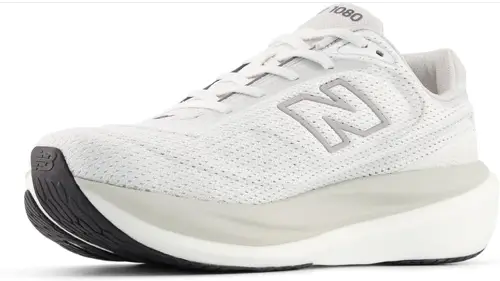
Best for: Wide feet and high-mileage running
The most important update to this article is the New Balance 1080 v15. It replaces the 1080 v14 previously recommended here.
It is more than a routine generation change. New Balance replaced Fresh Foam X with a new cushioning material called Infinion. The company describes it as providing improved cushioning, energy return and long-term resiliency.
The men’s version weighs approximately 9.2 ounces and has a 6 mm drop. More important for hard-to-fit feet, New Balance offers men’s versions in narrow, standard, wide and extra-wide widths.
That combination makes the 1080 v15 particularly interesting for runners who supinate and also struggle with fit. A shoe that squeezes the forefoot can create its own problems regardless of how good the cushioning is.
The 1080 v15 feels more energetic than the very soft 1080 versions of the past, making it suitable for everyday mileage and longer runs without feeling quite as sleepy underfoot.
Saucony Ride 19
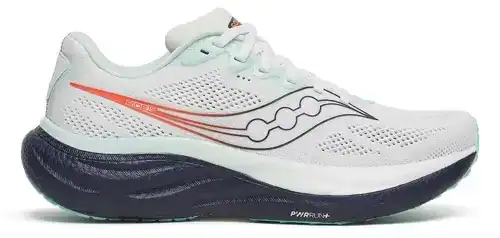
Best for: Versatile daily training
The Saucony Ride 19 is the shoe I would choose from this list for someone who wants cushioning without moving all the way into a heavy max-cushion trainer.
Saucony reformulated its PWRRUN+ foam for the Ride 19, making the midsole softer and more responsive. The shoe weighs about 8.9 ounces for men and has an 8 mm drop with approximately 36 mm of cushioning beneath the heel and 28 mm beneath the forefoot.
The Ride remains neutral. It does not have a medial post or a mechanism designed to alter your gait.
Its appeal for mild supination is the combination of cushioning, a reasonably broad platform and flexibility. Saucony has added forefoot flex grooves that help the shoe transition more naturally through the front of the foot.
It is also one of the more versatile shoes here. While the Nimbus and Glycerin lean strongly toward easy and long-distance running, the Ride 19 can comfortably handle everyday mileage and somewhat quicker efforts.
You can learn more about the cushioning in our guide to PWRRUN foam.
Nike Vomero Plus
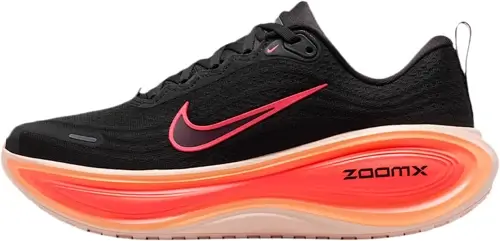
Best for: Soft cushioning with high energy return
The Nike Vomero Plus is the liveliest max-cushion shoe in this group.
Its midsole uses full-length ZoomX foam rather than the Air Zoom system incorrectly associated with this shoe in the previous version of this article. ZoomX is one of Nike’s softest and most responsive foams, giving the Vomero Plus an unusual combination of cushioning and rebound.
The shoe has a 10 mm drop, an engineered mesh upper and a high-abrasion rubber outsole. Nike also uses a broad platform to give the shoe more inherent stability despite the very soft foam.
That makes it a good option for supinators who enjoy a distinctly cushioned sensation but do not want a shoe that feels flat during longer runs.
The downside is the same feature that makes it appealing. ZoomX is very soft and springy. Some runners feel more secure on a slightly firmer platform, particularly when cornering or running on uneven surfaces.
For more on ZoomX and how it compares with other cushioning materials, see our ZoomX explainer or our running shoe foam guide.
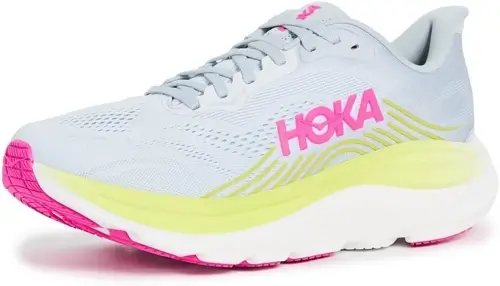
Hoka Clifton 11
Best for: Running, walking and everyday wear
The Hoka Clifton 11 continues to occupy the middle ground between traditional daily trainers and oversized max-cushion shoes.
It uses compression-molded EVA cushioning together with Hoka’s Smooth MetaRocker geometry. The curved sole encourages a rolling transition through the stride rather than requiring as much flex through the forefoot.
Hoka also uses its rearfoot-focused Active Foot Frame, which places the foot slightly within the midsole structure. Combined with the broad base, this creates inherent stability without turning the Clifton into a conventional stability shoe.
The men’s Clifton 11 weighs about 283 grams and has an 8 mm drop. Hoka lists road running and walking as its primary uses.
That running-and-walking versatility makes the Clifton particularly useful if you want one pair for exercise and everyday mileage.
It is not exceptionally light anymore, and runners looking for a very springy shoe may prefer the Ride 19, 1080 v15 or Vomero Plus.
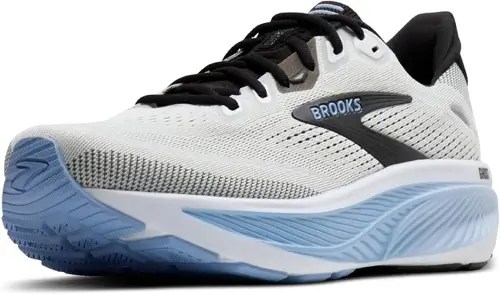
Brooks Ghost 18
Best for: A traditional, predictable daily trainer
Not everyone who supinates needs maximum cushioning.
The Brooks Ghost 18 is a better option for runners who prefer a conventional daily trainer with a secure heel, moderate cushioning and a familiar 10 mm drop.
Brooks uses nitrogen-infused DNA LOFT v3 foam, a breathable air-mesh upper and its RoadTack rubber outsole. The men’s version weighs approximately 10.2 ounces. Brooks also offers several widths, including narrow, standard, wide and extra-wide.
There is no medial post or GuideRails system. Instead, the Ghost gets much of its stable feel from its geometry, heel hold and platform.
For runners with mild supination, that can be enough. You get cushioning without the very soft sensation of a Nimbus, Glycerin or Vomero Plus.
We have a much deeper breakdown in our Brooks Ghost 18 review.
What Kind of Running Shoe is Best for Supination?
There is no single “supination shoe” category in the way there are stability shoes designed for excessive inward movement.
For many runners who underpronate, a cushioned neutral running shoe is the logical starting point.
When comparing shoes, pay particular attention to these characteristics:
- Cushioning that feels comfortable beneath both the heel and forefoot. High-arched feet often absorb impact less effectively, which is why softer cushioning can be useful.
- A neutral platform that does not unnecessarily push the foot farther outward.
- Enough flexibility to allow your foot to move naturally rather than forcing it through an excessively rigid transition.
- A broad enough base that the shoe feels secure when your foot contacts the ground.
- A secure heel and midfoot fit so the foot does not slide laterally inside the shoe.
- Adequate width through the forefoot. Do not buy a longer shoe merely to compensate for a shoe that is too narrow.
- A heel-to-toe drop that is reasonably close to what your body is already accustomed to. Abruptly moving between dramatically different drops can place new demands on the calf and Achilles tendon.
Breathability and outsole durability still matter, but they are general running-shoe considerations rather than features that specifically address supination.
Do High Arches Mean You Supinate?
No. High arches are commonly associated with supination because a high, relatively rigid foot may roll inward less effectively after landing. However, arch shape alone cannot tell you exactly how your foot moves while running.
Cleveland Clinic notes that the connection between arch height and pronation is a generalization rather than a hard rule. That is why buying a shoe simply because it is marketed for “high arches” can be misleading.
For more options specifically focused on arch shape, see our guide to the best running shoes for high arches.
Can Running Shoes Correct Supination?
A running shoe can change how your foot feels and interacts with the ground, but you should be skeptical of claims that a particular shoe can permanently “correct” supination. A cushioned neutral shoe may make running more comfortable, improve impact protection and provide a more secure platform. That is different from diagnosing or treating the underlying reason your foot moves the way it does.
If supination is severe, painful, developing suddenly or accompanied by repeated ankle injuries, a podiatrist, sports medicine professional or physical therapist can assess your gait and determine whether footwear, exercises, orthotics or another approach makes sense.
How Can You Tell If You Supinate?
One clue is excessive wear along the outside edge of your running shoes, particularly when it occurs consistently across multiple pairs. You may also notice that your weight stays toward the outside of the foot as you walk or run. Neither sign provides a medical diagnosis. Looking at your gait on video or having it assessed professionally provides much more useful information than looking at arch height alone.
Our ultimate guide to supination and underpronation explains the mechanics in more detail.
Frequently Asked Questions: Best Running Shoes for Supination
Our current top choice is the Asics Gel-Nimbus 28. Its neutral design, maximum cushioning, 8 mm drop and comfortable upper make it a strong starting point for runners who underpronate and want substantial impact protection.
Often, yes. Many runners who supinate are comfortable in neutral shoes because neutral models provide cushioning without adding the medial support normally intended to manage overpronation.
Not automatically. Stability shoes are usually designed to manage excessive inward movement. Some people may still benefit from added stability for other reasons, but supination alone is not a reason to automatically choose a traditional stability shoe.
It can be. The Ghost 18 is a cushioned neutral trainer with a secure heel, multiple widths and a relatively stable platform. It is particularly useful for runners who prefer moderate cushioning rather than a very soft max-cushion shoe.
It can be a good option because it provides substantial cushioning without conventional motion-control technology. However, high arches do not automatically mean you supinate, so fit and gait should still guide your decision.
The New Balance 1080 v15 is particularly strong because New Balance offers several width choices. The Brooks Glycerin 23, Brooks Ghost 18 and Hoka Clifton 11 are also available in multiple widths.
No. More cushioning can improve comfort for some runners, but excessive softness can feel unstable to others. A moderate-cushion shoe such as the Brooks Ghost 18 or Saucony Ride 19 may feel better if you dislike very soft shoes.
Consider professional assessment if you have persistent foot or ankle pain, recurrent ankle sprains, difficulty walking or running comfortably, or a significant change in the way one foot moves. Foot pain that continues despite changing shoes should not simply be treated as a footwear problem.